
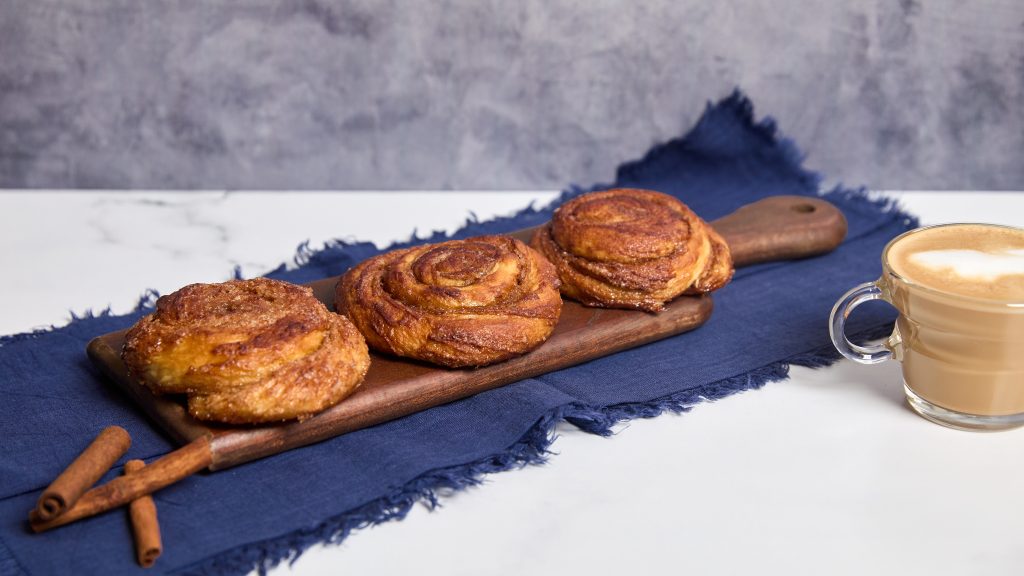
On my last trip to the Netherlands, I visited one of the Dutch members on my team from my real job—the one that involves spreadsheets instead of spatulas. He lives in Zeeland and introduced me to a local pastry I had never tried before: the Zeeuwse bolus. One bite and I was hooked. Soft, sweet, sticky, and spiced—what’s not to love? I knew right then that my wife would fall in love with these, too. So when I got back home, I rolled up my sleeves, cleared the counters, and started working on my own version of this Zeeland classic.
The Zeeuwse bolus has a long and multicultural history. While it’s now considered a Zeeland specialty, its roots likely trace back to Sephardic Jewish bakers who settled in the Netherlands at the end of the 16th century. These bakers brought with them coiled pastries like bollo dulce or bulema—soft, enriched doughs often shaped in spirals. Over time, Zeeland bakers made the recipe their own by rolling the dough in a deep, spiced mixture of brown sugar, cinnamon, and lemon zest. The result is a pastry that’s both sticky and aromatic, and uniquely tied to the province. Today, you’ll find Zeeuwse bolussen in bakeries across the region, especially in towns like Goes and Middelburg, where an annual competition is held to crown the best bolus baker.
The flavor? Think of the softest cinnamon roll you’ve ever had—only richer, deeper, and more caramelized. The brown sugar melts into the dough during baking, creating a gooey coating that clings to your fingers (and yes, your coffee mug too). The dough is tender and enriched, almost brioche-like, and the kiss of lemon zest in the sugar gives just enough brightness to cut through the richness. They’re best enjoyed fresh out of the oven—or gently rewarmed—with a strong cup of coffee or tea. No icing, no extras needed.
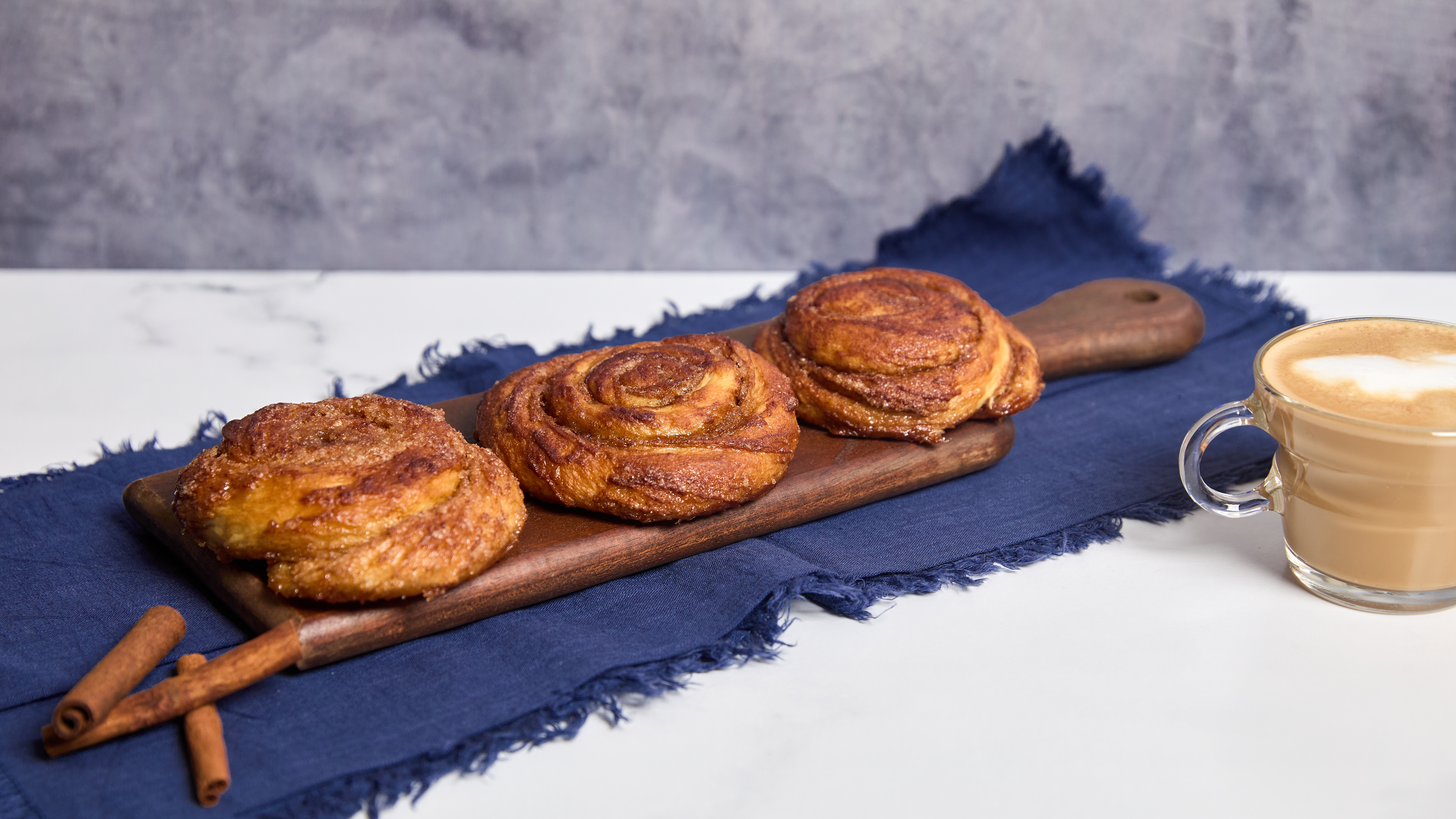
Zeeuwse Bolussen – The Ultimate Sticky Cinnamon-Spiced Pastry from Zeeland
Ingredients

Equipment
Method
- In a small bowl or measuring cup, stir the yeast into the lukewarm milk and set aside for 5–10 minutes to bloom. In the bowl of a stand mixer fitted with a dough hook, combine the flour, salt, sugar, and egg. Pour in the milk-yeast mixture and knead on medium-low speed for about 8 minutes, until the dough becomes smooth and slightly elastic.
- Once the dough starts coming together, begin adding the softened butter one piece at a time. Wait until each piece is fully absorbed before adding the next. Continue kneading for another 2–3 minutes until the dough is soft, supple, and pulls away from the sides of the bowl.
- Cover the bowl with a damp towel or plastic wrap and let the dough rise in a warm spot for about 1 hour, or until doubled in size.
- While the dough rises, mix together the brown sugar, cinnamon, and lemon zest in a large rimmed baking sheet or shallow tray. This mixture will be used for rolling and shaping—make sure it’s evenly blended and spread out.
- Once risen, gently deflate the dough and divide it into 12 equal pieces of about 54g (approximately 2oz) each. Roll each piece into a smooth ball.
- One by one, roll each ball through the sugar mixture until fully coated. Place them all in a bowl together and cover. Let them sit for about 15 minutes—this helps soften the dough’s outer layer and encourages the sugar to stick during shaping.
- Line a cutting board with a damp towel, and put the sugar / cinnamon mixture on it. You don’t have to put all of the sugar mixture on the towel at once. The moisture of the towel will help the sugar stick to the dough.
- Take each sugared dough ball and roll it again in the sugar mixture, stretching it gently into a rope about 51 cm (20 inches) long. Keep rolling until it's evenly coated and pliable.
- Form each rope into a spiral, like a cinnamon bun or snail shell, tucking the end under to prevent unraveling. Make sure you keep the spiral as flat as possible. Place the shaped bolussen on a parchment-lined baking sheet, leaving space between each. Cover with a damp towel and let rise again for about 1 hour.
- Preheat your oven to 250°C (480°F). These bake quickly, so keep a close eye—brown sugar can burn in seconds.
- Bake the bolussen for 7–9 minutes, until they’re golden brown and the sugar is bubbling and caramelized.
- While baking, line another baking sheet with parchment paper.
- When the bolussen come out of the oven, immediately place the second parchment-lined tray on top and invert the whole thing. This trick helps the gooey sugar topping settle nicely on what becomes the top.
- Let the inverted tray sit for 5-10 minutes. Then lift off the hot tray and allow the bolussen to cool completely before serving (or sneak one while warm—no judgment).

I shared a plate of these with friends over coffee this morning, and everyone was amazed. None of them had ever heard of Zeeuwse bolussen before, but they couldn’t stop talking about how delicious they were. Soft, sweet, and sticky in the best way possible. This will definitely become one of my go-to treats when I want to surprise people with something special.
Your recipe took me straight back to the Netherlands. My grandparents used to bring home bolussen from Zeeland when they visited family there, and this is the closest I have ever come to recreating that flavor at home. The smell in my kitchen while they baked was heavenly. Thank you for giving me a little taste of nostalgia.